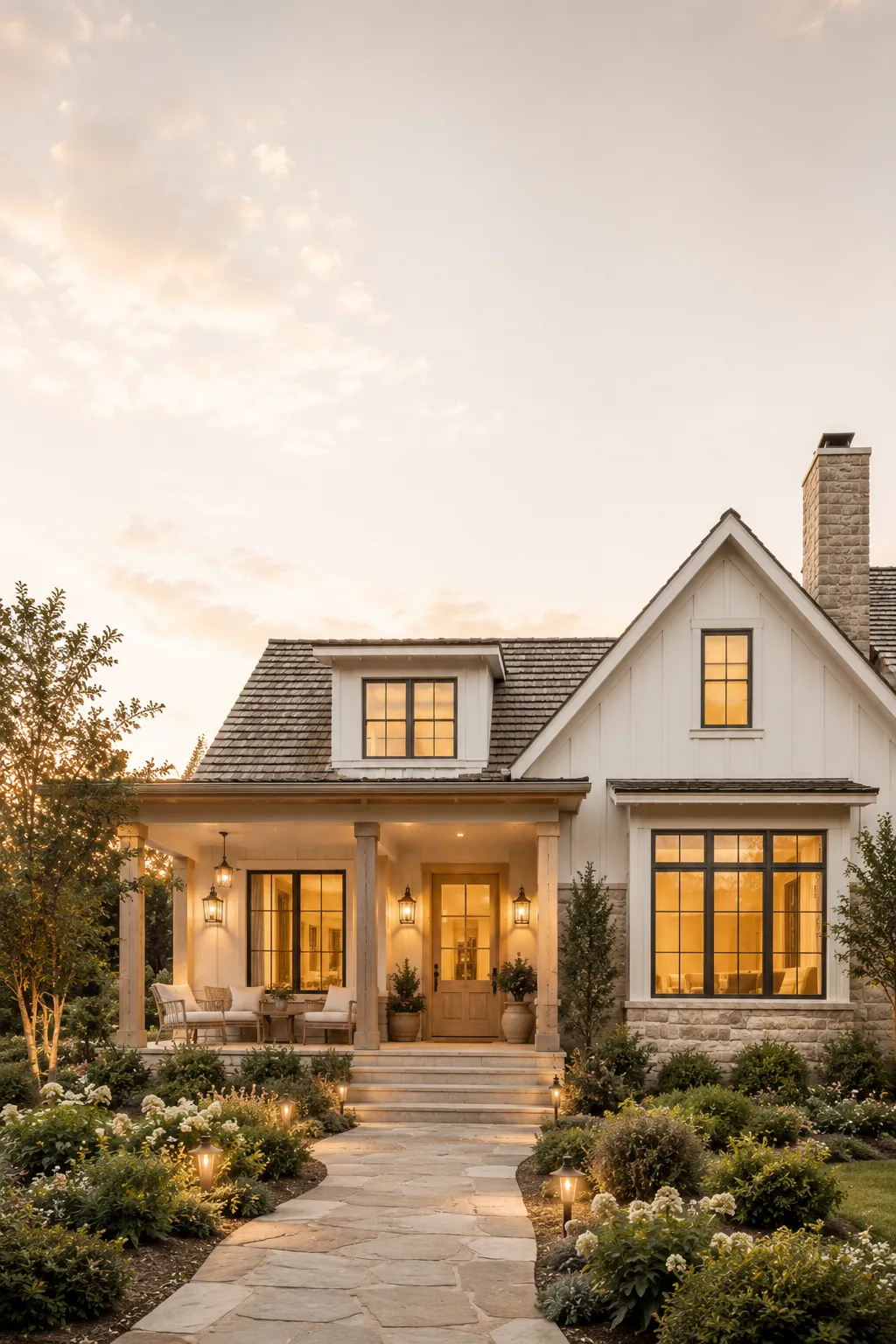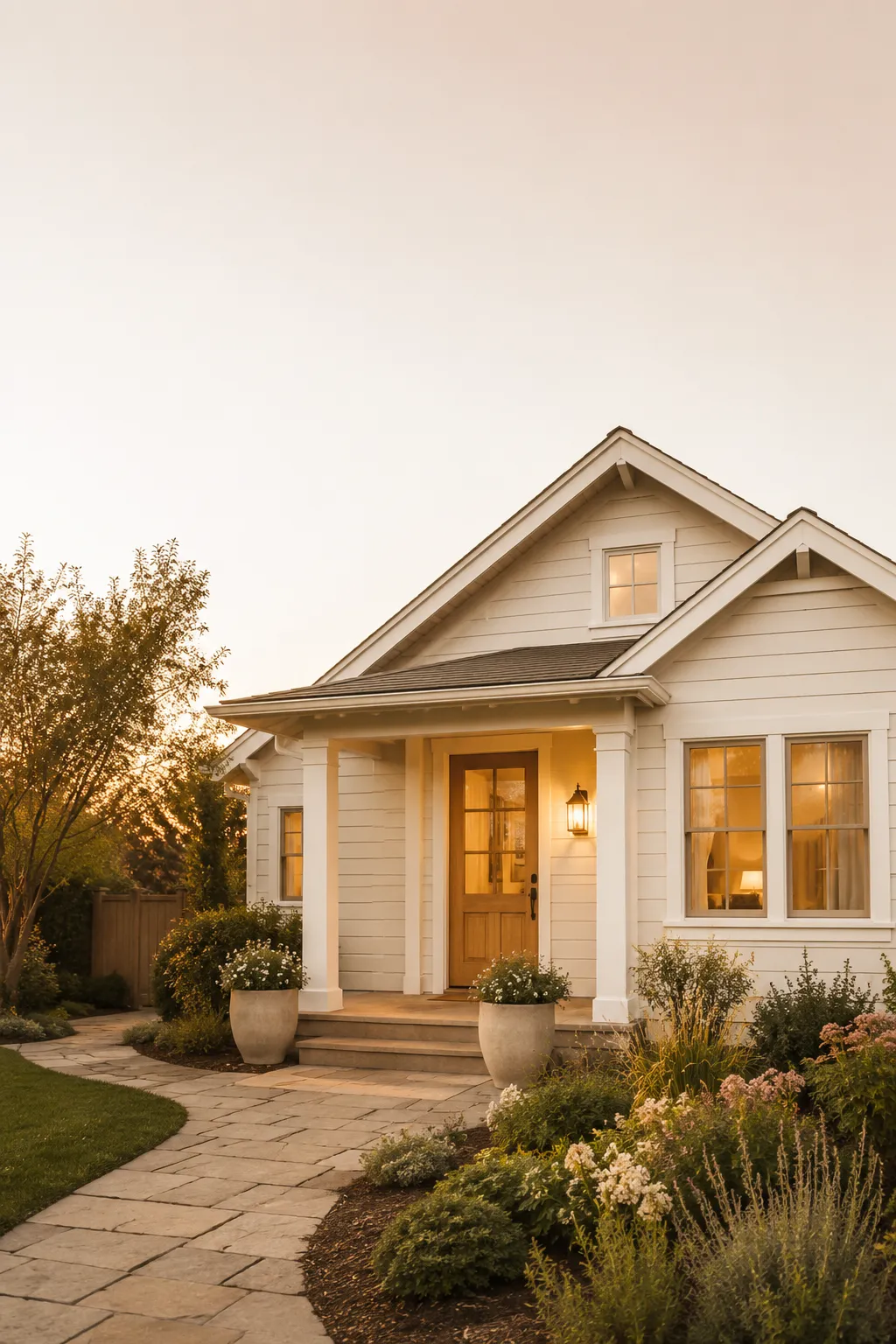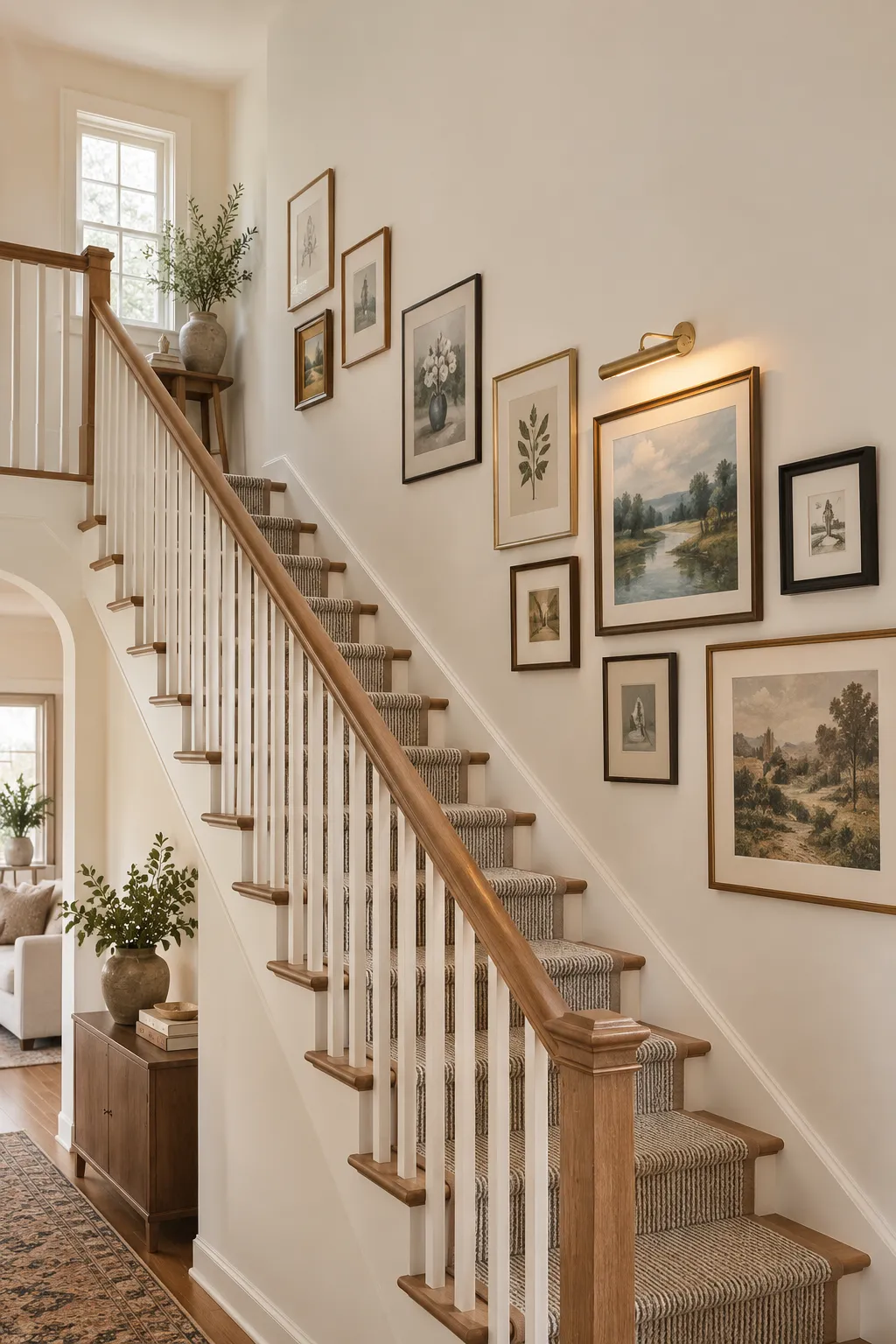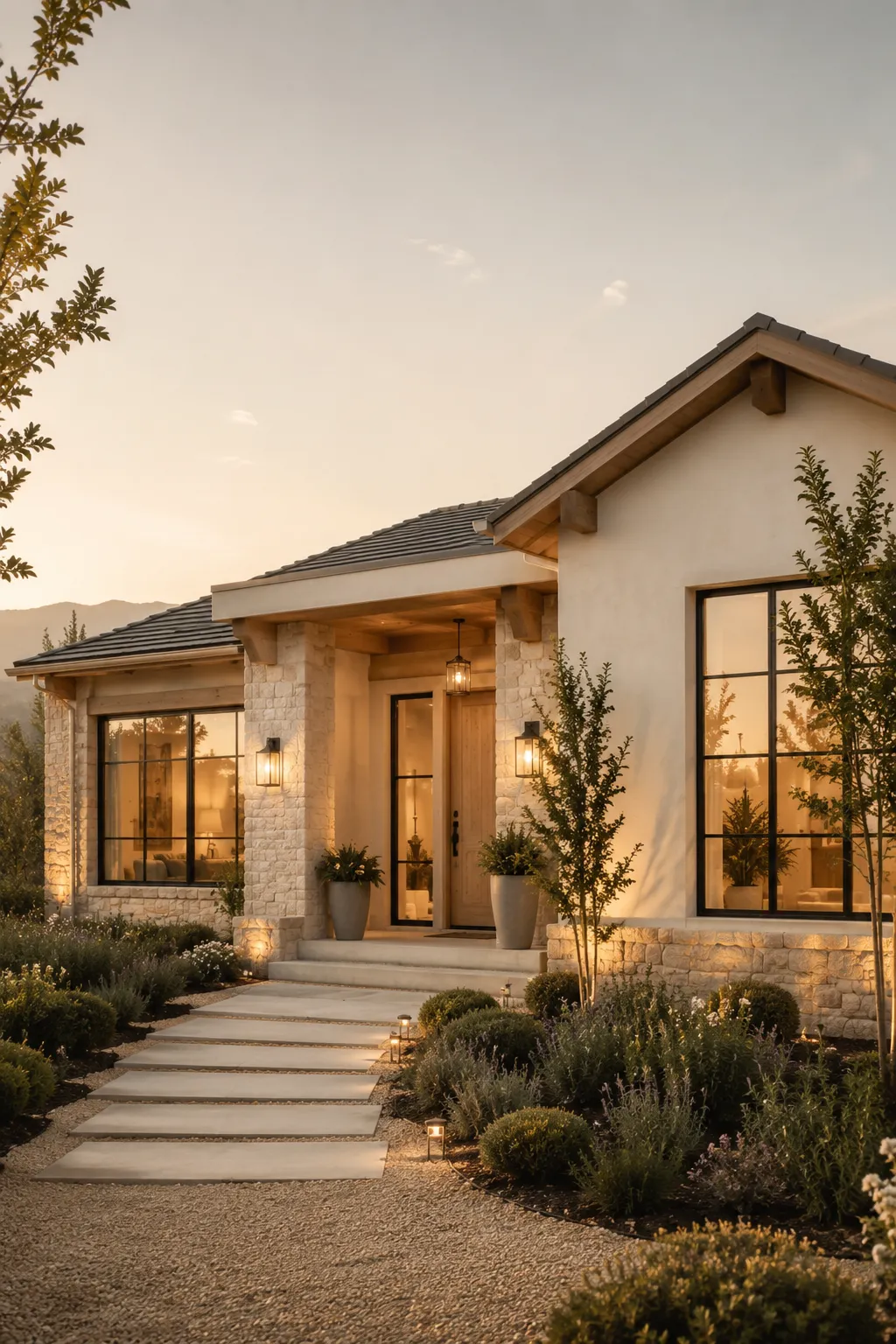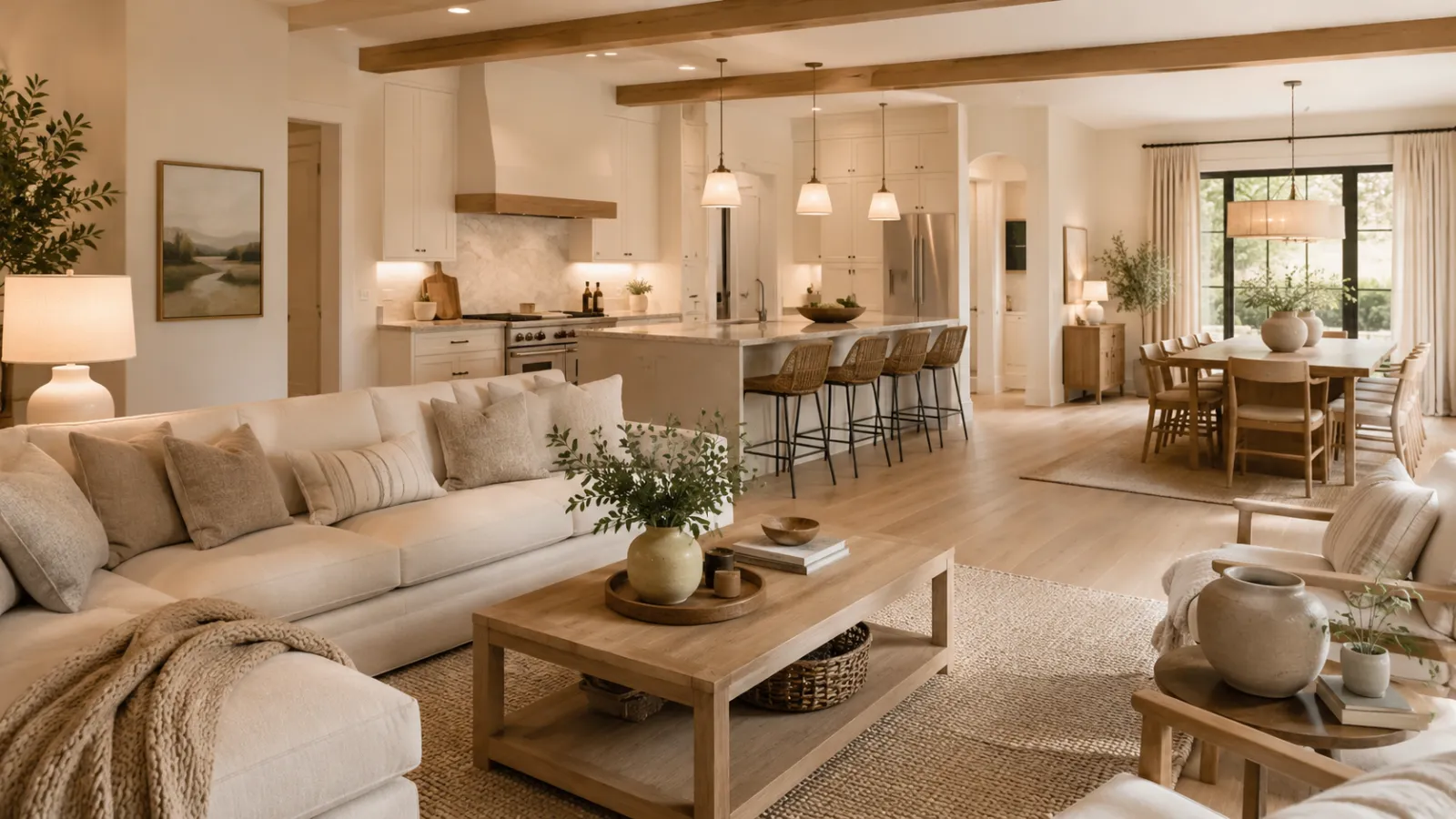
16 Dream House Interior Ideas for a Warm, Beautiful Home
Dream house interior ideas feel most inviting when beautiful rooms also support ordinary life. Soft light, natural materials, practical furniture, and personal details can make a home look thoughtfully designed without turning it into a showroom.
A welcoming entryway, comfortable living room, useful kitchen, restful bedroom, and layered lighting should relate naturally from one space to the next.
The goal is not perfection. A dream home interior should feel connected, personal, and easy to live in.
For the broader design foundation, begin with the dream house ideas guide.
1. Start With One Clear Interior Mood
Before choosing furniture or decor, decide how the home should feel.
It might have a calm neutral direction, a warm modern mood, gentle cottage character, or relaxed farmhouse details.
One clear direction makes colors, furniture, lighting, and materials easier to coordinate.
The rooms do not need to look identical. They should simply appear to belong to the same home.
2. Build a Soft Neutral Color Palette
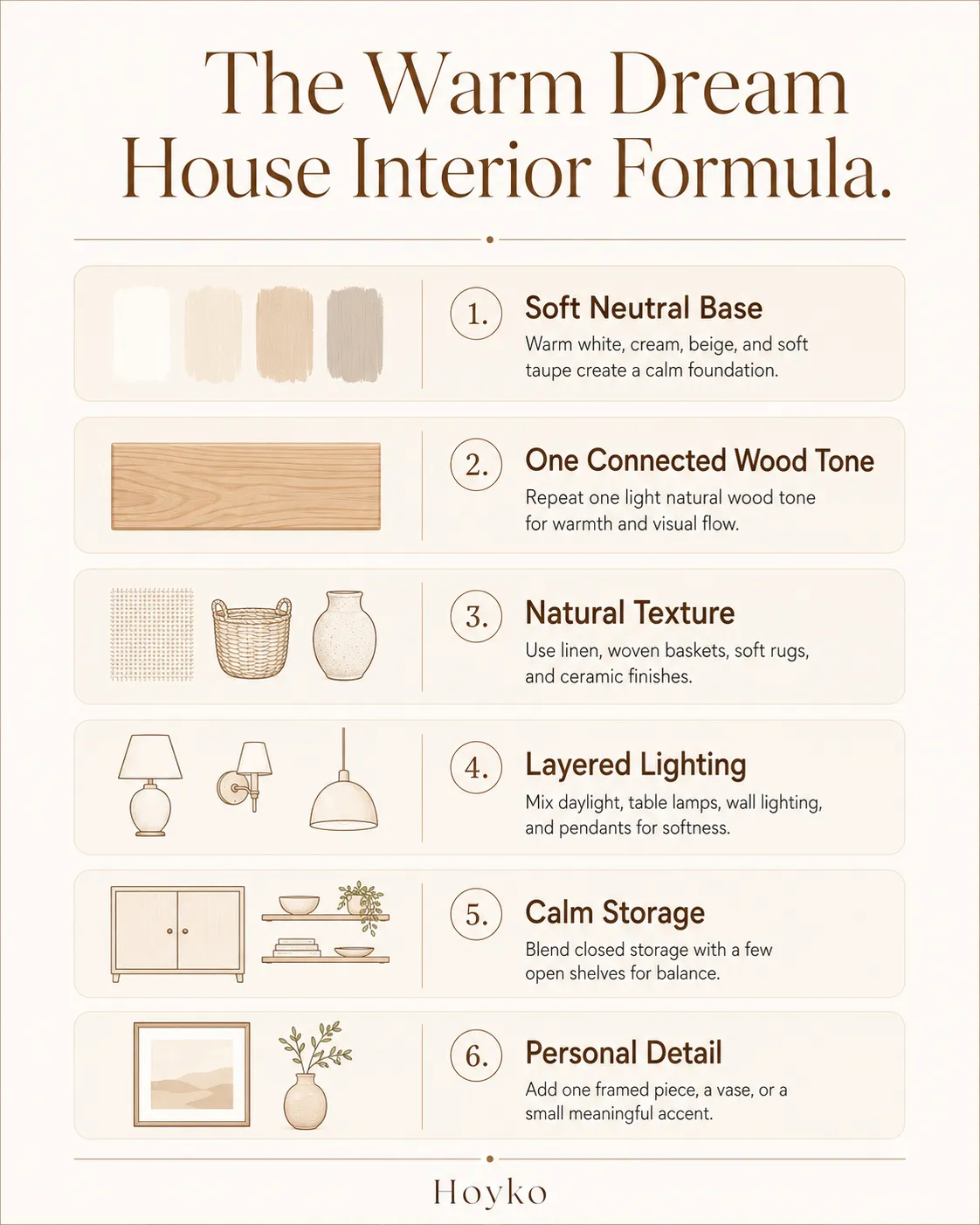
Soft neutrals create a flexible foundation for a warm dream home.
A practical palette might include:
- warm white or cream
- beige or soft taupe
- light or medium wood
- muted green or clay
- one restrained dark accent
Neutral rooms gain depth from texture, contrast, and natural materials rather than many colors.
Use one main wall color, one connected wood family, and two or three accent tones throughout the home.
Test paint samples in several rooms before making a final choice. Window direction, flooring, nearby furniture, and changing daylight can alter how the same neutral appears.
For more palette ideas, see the cozy living room color ideas guide.
3. Create a Welcoming Entryway
The entryway introduces the mood of the entire home.
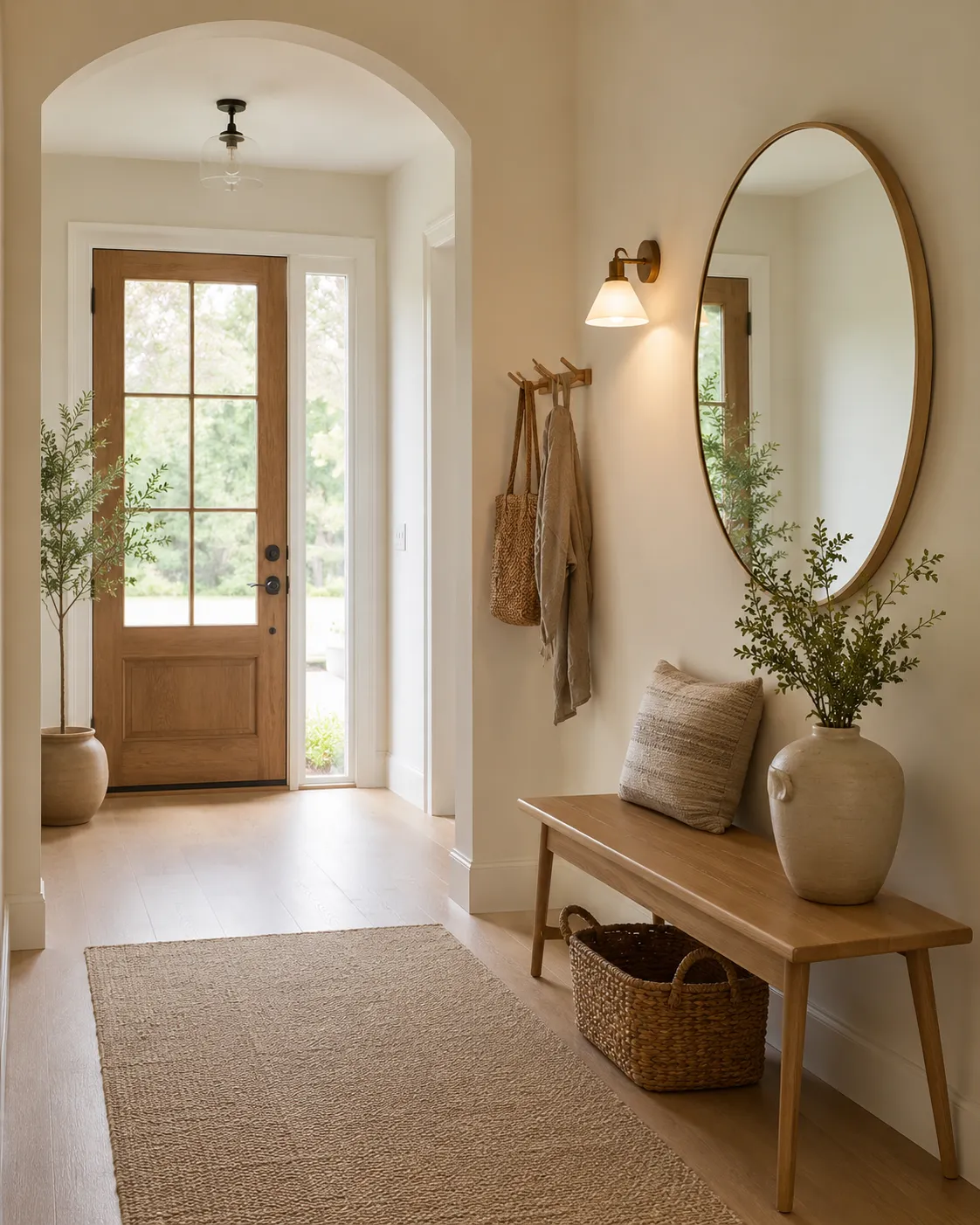
A slim bench, mirror, wall hooks, washable rug, woven basket, and one simple vase can provide both beauty and function.
Choose storage according to daily habits. Frequently used bags need accessible hooks, while shoes and smaller objects may fit better in closed bench storage or baskets.
Keep the main route open. As a practical starting point, aim for roughly 30–36 inches of clear movement where the layout allows.
For a connected outside-to-inside approach, see the dream house exterior ideas guide.
4. Make the Living Room the Comfortable Center
The living room should support conversation, rest, and everyday use.
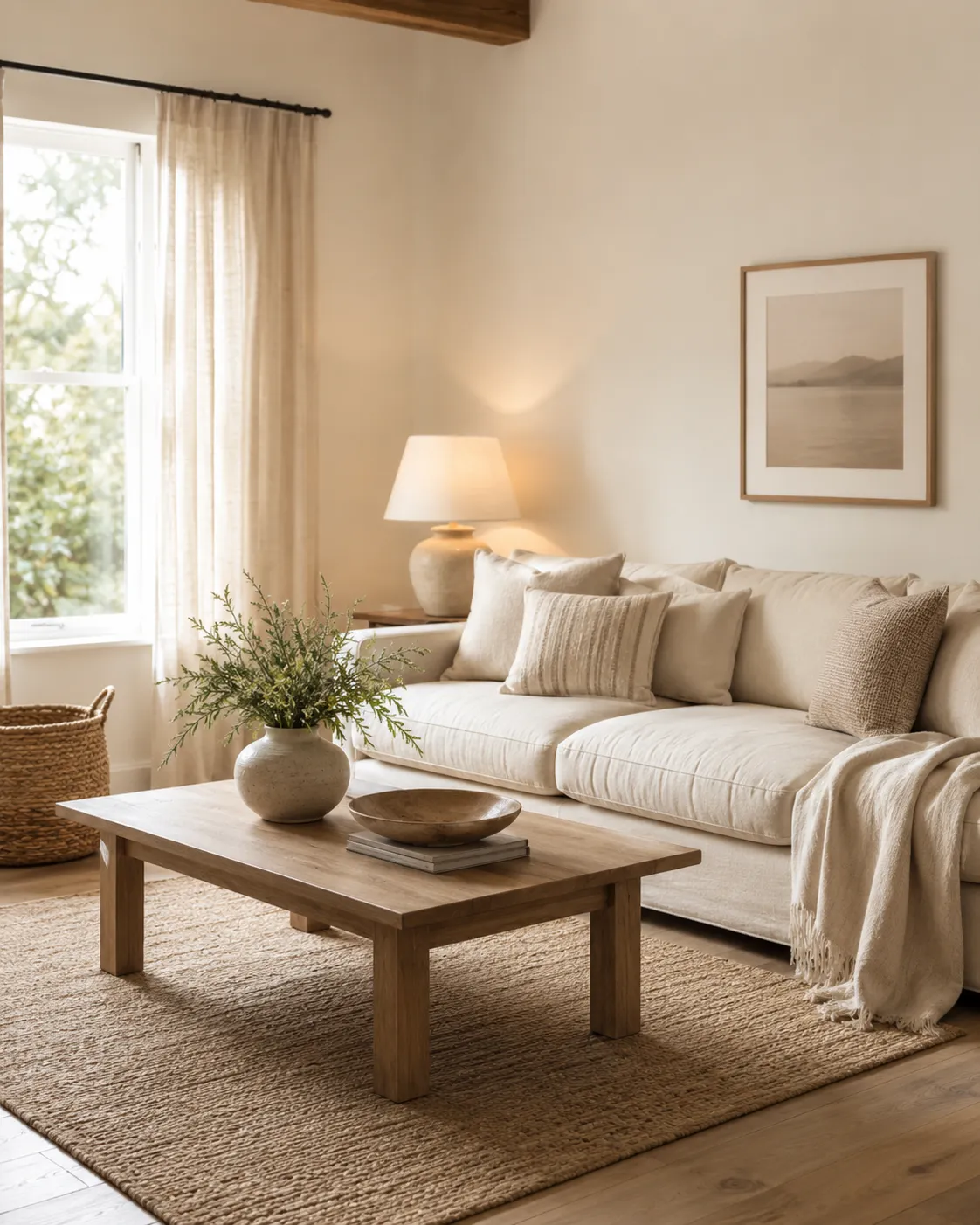
Begin with the largest pieces: sofa, chairs, rug, coffee table, and main lighting. Arrange them before adding decorative objects.
A soft sofa, warm rug, light wood table, linen curtains, and one or two lamps create a calm foundation.
Around 16–18 inches between the sofa and coffee table often works as a useful starting point. Preserve a clear circulation path around the seating area.
A tray, vase, books, and soft throw may provide enough decoration. The room should invite people to sit down rather than look too perfect to touch.
For more styling ideas, see the cozy living room ideas guide.
5. Layer Warm Lighting in Every Room
Lighting changes how colors, materials, and furniture appear.
Use more than one source. Combine overhead fixtures with table lamps, floor lamps, sconces, pendants, and under-cabinet lighting.
For living rooms, bedrooms, dining areas, and quiet corners, warm-white LEDs around 2700K–3000K usually create a softer atmosphere beside cream walls, linen, wood, and stone.
Place light according to activity. Reading chairs need a nearby lamp, kitchens need useful task lighting, and bedrooms benefit from accessible bedside controls.
Use dimmers where possible so brighter task light can become gentler in the evening.
For more evening inspiration, see the warm living room ideas guide.
6. Add Depth With Natural Texture
Texture prevents neutral interiors from looking flat.
Use linen curtains, wool or woven rugs, cotton throws, wood furniture, ceramic pieces, stone details, and natural baskets.
Repeat a limited group of textures rather than adding a different finish to every surface.
A cream room with linen, warm wood, woven fiber, and gentle light feels more layered than a room filled with cream-colored objects alone.
The goal is visual depth without excess decoration.
7. Keep the Kitchen Useful and Beautiful
A dream house kitchen should work well before it is styled.
Warm-white cabinets, soft stone counters, wood accents, simple hardware, and gentle pendant lights can create an elegant foundation.
Keep the primary preparation area clear. A cutting board, ceramic bowl, or small herb plant may provide enough warmth without interrupting cooking.
Store frequently used items close to where they are needed. Cooking tools belong near the range, glasses near the dishwasher, and serving pieces near the dining area.
Open shelves work best when they hold a limited number of useful objects in connected colors.
For a softer farmhouse direction, see the modern farmhouse dream house guide.
8. Create a Dining Space for Everyday Gathering
A dining room should feel welcoming rather than formal and stiff.
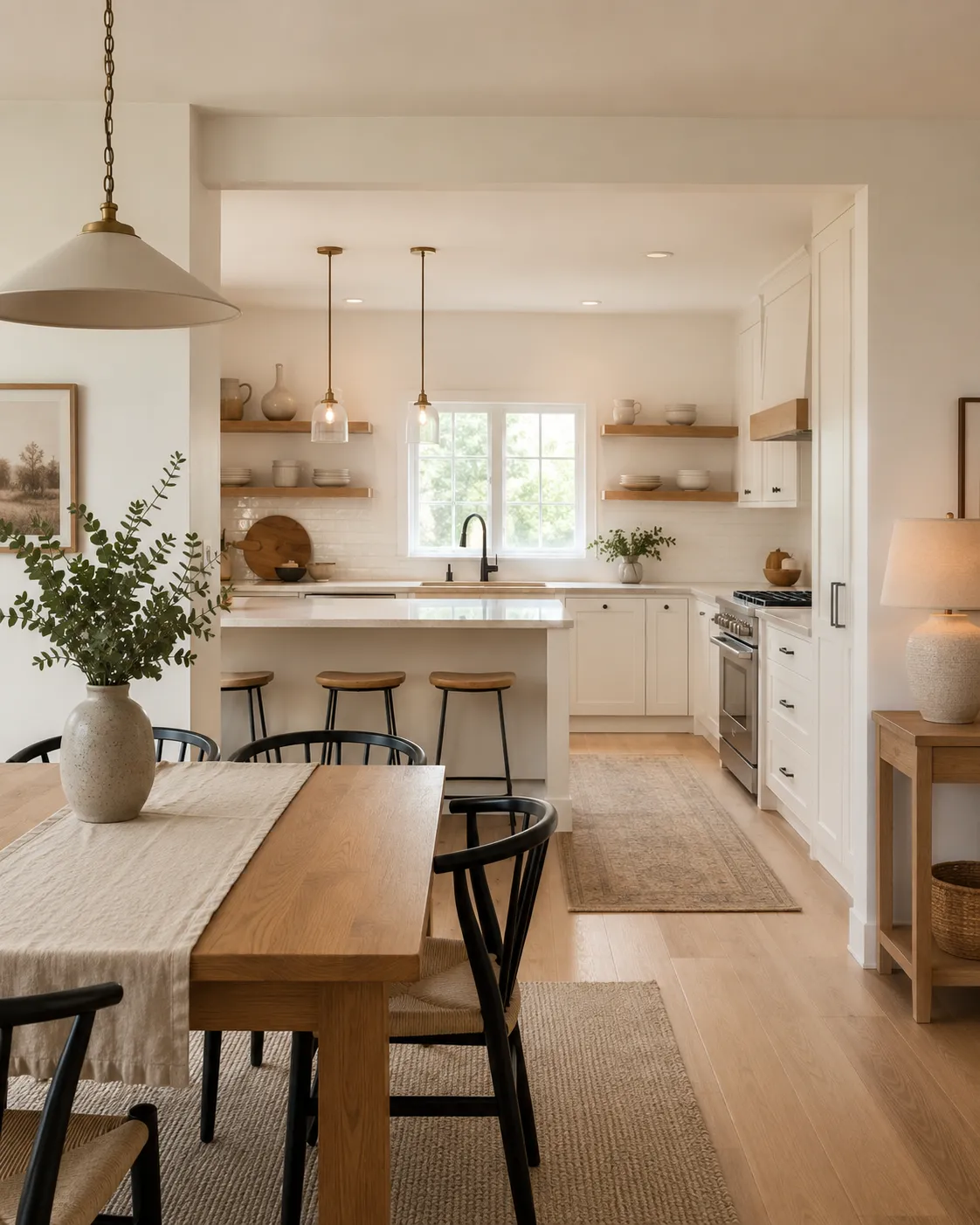
Use a correctly scaled wood table, comfortable chairs, a low centerpiece, and lighting that visually centers the space.
The centerpiece should leave room for meals and conversation. A ceramic bowl, small vase, or a few branches may be enough.
Where possible, preserve about 30–36 inches along the main approach so chairs can pull back without blocking a doorway or nearby kitchen route.
In a compact room, a round or pedestal table can soften the layout and improve movement.
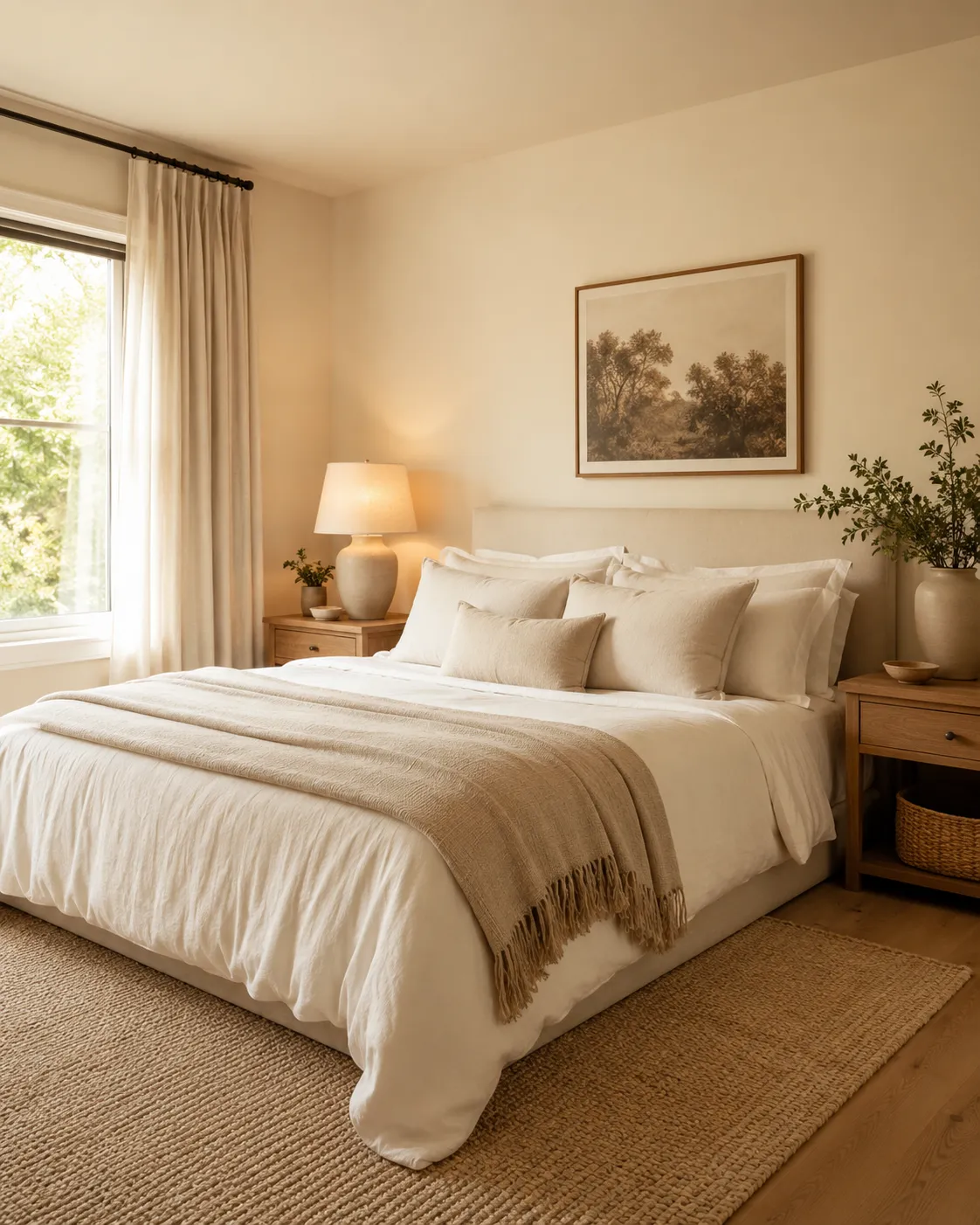
9. Make the Bedroom Calm and Restful
A dream house bedroom should support rest before decoration.
Use comfortable bedding, linen curtains, a soft rug, wood nightstands, gentle bedside lamps, and one restrained artwork.
Keep the palette quiet with cream, beige, taupe, muted green, and connected wood tones.
Limit decorative pillows and keep nightstand surfaces partly open. Closed drawers or under-bed storage can reduce visual clutter.
The room should help the mind slow down rather than demand attention.
For a gentler style direction, see the cottage dream house ideas guide.
10. Turn Unused Areas Into Purposeful Corners
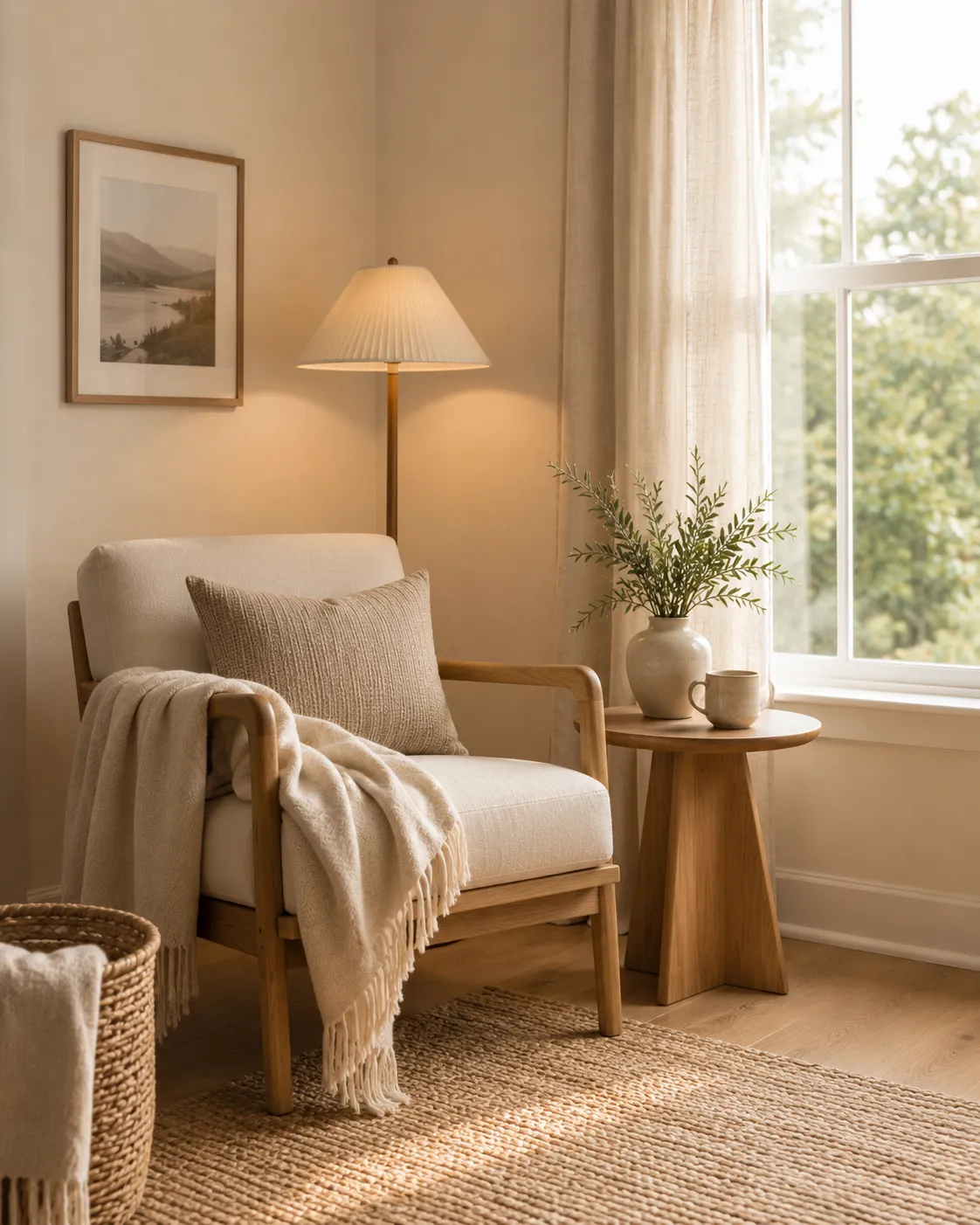
A small corner can make a home feel more thoughtful when it has a clear use.
A chair, lamp, side table, and soft throw can create a reading area. A window corner might become a morning coffee spot, while an empty landing may support a narrow bench and concealed storage.
Choose the purpose before adding furniture.
Avoid placing a chair in an empty area only to fill space. Every cozy corner should support reading, dressing, conversation, storage, or another real activity.
For more compact planning, see the small dream house ideas guide.
11. Bring Nature Inside Thoughtfully
Natural details can make a room feel calmer and less formal.
Use one healthy floor plant, a smaller shelf plant, fresh branches, dried stems, natural wood, linen, or stone.
Choose real plants according to the light available. A sun-loving plant will not remain healthy in a dark corner simply because it looks attractive there.
Plants should support the room rather than crowd windows, furniture, or walking space.
The official EPA indoor air quality guide can remain linked here for broader information about ventilation and everyday indoor comfort.
12. Use Storage That Keeps Rooms Calm
Storage is part of the design, not an afterthought.
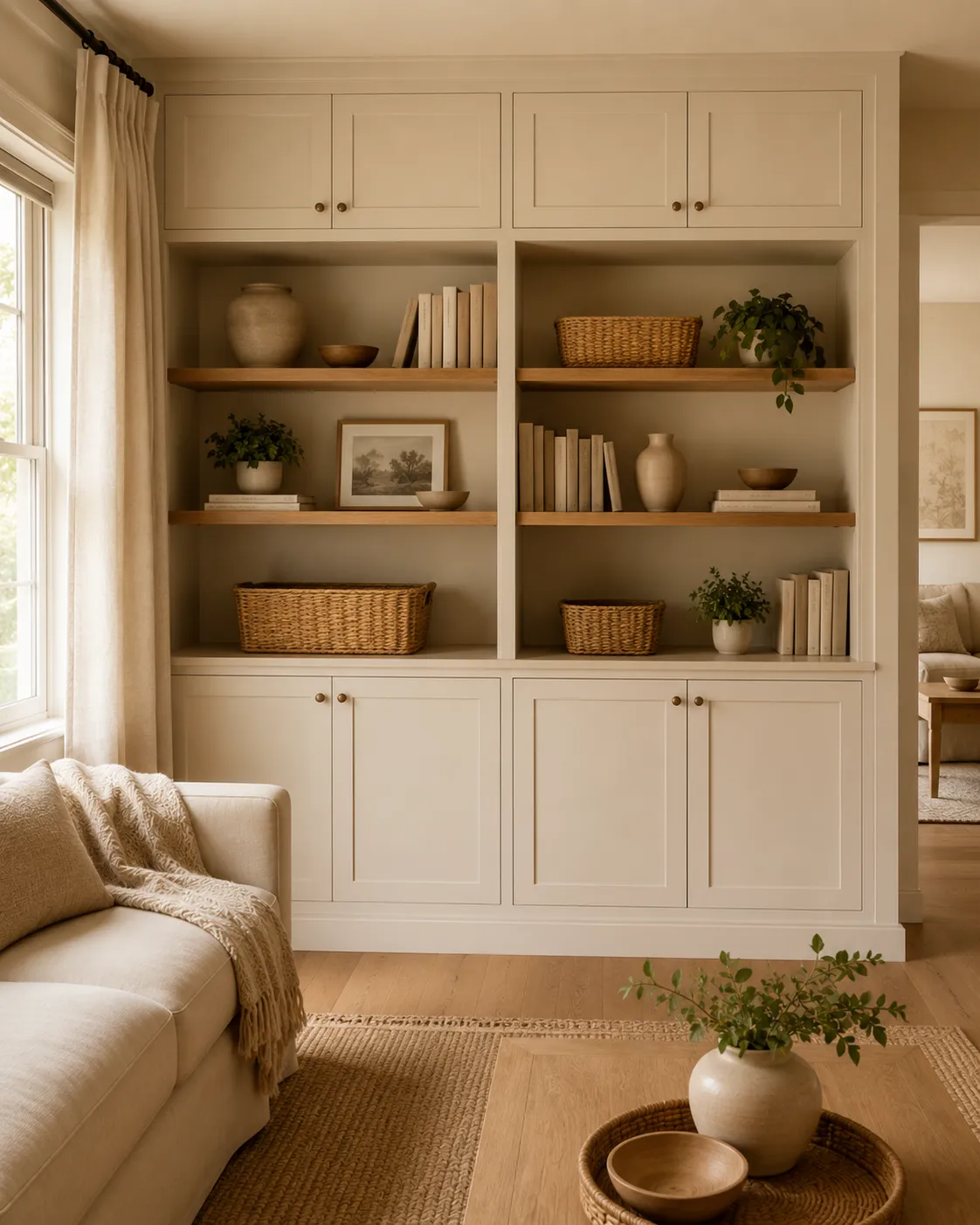
Combine closed cabinets, drawers, storage benches, baskets, and a limited amount of open shelving.
Frequently used items should remain easy to reach. Occasional objects can be stored higher or deeper inside cabinets.
Avoid displaying every household item. Open shelves are most effective when they hold a restrained group of useful or meaningful pieces.
Tall furniture and televisions should be secured according to appropriate safety guidance. Keep the official CPSC Anchor It resource linked here.
13. Balance Modern Lines With Soft Materials
Modern interiors can feel welcoming when clean shapes are balanced with natural texture.
Large windows, simple furniture, black accents, and smooth architectural lines may provide the modern foundation.
Add warmth through linen curtains, soft rugs, comfortable cushions, warm wood, lamps, and muted greenery.
Repeat dark accents carefully. Too many black fixtures and furniture pieces may make the room feel sharper than intended.
Modern design does not need to feel cold. It can remain clear, practical, and comfortable.
For more connected inspiration, see the modern dream house ideas guide.
14. Add Quiet Luxury Through Better Materials
Luxury does not require glossy surfaces or formal rooms.
Natural stone, warm wood, quality hardware, linen, comfortable seating, and well-made lighting can create a more elevated result.
When the budget is limited, prioritize features that are used or touched often:
- comfortable seating
- reliable lighting
- durable hardware
- quality curtains
- a correctly scaled rug
- practical storage
One substantial improvement usually creates more impact than several small decorative purchases.
For more elevated ideas, see the luxury dream house ideas guide.
15. Keep Decor Personal and Restrained
Personal objects prevent a home from looking copied from a showroom.
Use framed art, books, ceramic pieces, baskets, candles, small vintage finds, and meaningful objects.
Group smaller pieces rather than spreading them across every surface.
Leave some tables, shelves, and counters partly open. Negative space helps important objects stand out and makes the room easier to maintain.
Personal decor should add character without requiring constant rearranging.
For more gentle styling inspiration, browse aesthetic home decor ideas.
16. Refresh Rooms With Light Seasonal Decor
Seasonal updates should support the existing interior rather than replace it.
A wreath, pillow cover, throw, vase of stems, table runner, or small tray can change the mood of a room.
Choose two or three seasonal areas, such as the entry console, coffee table, dining table, or bedroom nightstand.
Avoid adding seasonal decor to every shelf and surface.
For year-round updates, see the seasonal decor ideas guide. The fall decor ideas guide can support warmer autumn texture.
Common Dream House Interior Mistakes
Choosing Neutrals Without Enough Contrast
Several cream and beige surfaces can blend together and make the room appear flat.
Add gentle contrast through wood, stone, woven texture, greenery, or one restrained dark detail.
Depending on One Ceiling Light
A single overhead fixture often creates an uneven or harsh atmosphere.
Combine ambient, task, and accent lighting according to how each area is used.
Styling Every Available Surface
Coffee tables, consoles, counters, and shelves do not all require decorative displays.
Leave open space so useful and meaningful pieces can stand out.
Buying Furniture Before Planning the Layout
A beautiful sofa or dining table may still overwhelm the room.
Measure the available space, doorways, pathways, and surrounding clearance before buying large furniture.
Matching Every Piece
Rooms may feel staged when furniture, wood finishes, metals, and accessories match perfectly.
Repeat a few related materials while allowing gentle variation.
Using Too Much Open Storage
Open shelves expose every everyday item.
Combine a limited display area with closed cabinets, drawers, and baskets.
Ignoring Daily Routines
A beautiful room can become frustrating when storage, seating, lighting, and pathways do not support how the household actually lives.
Solve practical needs before adding decorative layers.
Dream House Interior Checklist
- Choose one clear interior mood.
- Build a restrained neutral palette.
- Repeat one connected wood family.
- Create a useful entryway.
- Keep the main pathways open.
- Make the living room comfortable.
- Layer several light sources.
- Add depth through natural texture.
- Protect useful kitchen work surfaces.
- Leave comfortable room around the dining table.
- Keep the bedroom visually calm.
- Give each cozy corner a purpose.
- Bring nature indoors thoughtfully.
- Combine closed and open storage.
- Balance modern lines with soft materials.
- Invest in a few high-use pieces.
- Keep personal decor restrained.
- Refresh rooms with small seasonal changes.
A dream house interior should feel visually connected, practically organized, and comfortable enough for everyday life.
FAQ About Dream House Interior Ideas
What makes a dream house interior feel warm?
Soft colors, layered lighting, natural materials, comfortable furniture, practical storage, and personal details create warmth. The rooms should look beautiful while remaining easy to use.
Which colors work best in a warm dream home?
Warm white, cream, beige, taupe, greige, muted green, warm brown, and connected wood tones work well. One restrained black or dark accent can provide definition.
How can a home feel cozy without looking cluttered?
Use fewer decorative objects and add depth through rugs, curtains, wood, linen, baskets, and lighting. Keep surfaces partly open and provide closed storage for everyday items.
Can a modern dream house interior still feel cozy?
Yes. Pair clean lines and large windows with warm wood, linen curtains, soft rugs, comfortable seating, gentle lighting, and muted natural colors.
How can a home interior look more expensive on a budget?
Focus on paint, lighting, curtains, hardware, rugs, and furniture scale. A few well-chosen improvements usually create a more polished result than many small accessories.
Conclusion
Dream house interior ideas are not only about creating beautiful rooms. The strongest interiors make daily life easier while still feeling personal and thoughtfully designed.
Begin with a connected palette, natural materials, layered lighting, practical furniture, and useful storage. Add personal objects slowly so the rooms develop character without becoming crowded.
The best dream house interior feels welcoming at the entrance, comfortable throughout the day, and peaceful once the evening begins.